
What is IoT?
The Term IoT, or internet of things, refers to the collective network of connected devices and the technology that facilitaes communication between devinces and the cloud, as well as between the devices themselves. Because of the inexpensive computer chips and high bandwith telecommunications, we now have billions of devices connected to the internet. This means that even everyday devices like your thooothbrush, cars and etc can use sensor to collect data and use it accordingly
How does IoT work?
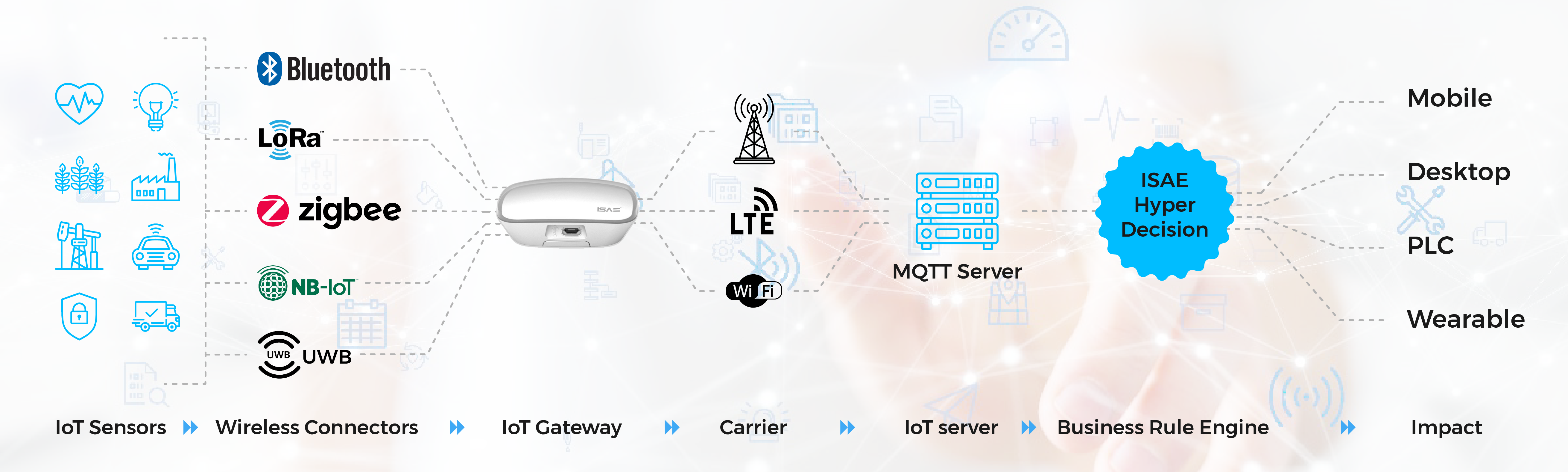
A complete IoT system integrates four distinct components: 1) sensors/devices, 2) connectivity, 3) Data processing, 4) User Interface.
- Sensor/Devices:
Sensors or Devices collect data from their enviroinment e.g temperature, humidity or air quality. - Connectivity:
That data from the sensor is then sent to the cloud, but it needs a way to get there..
The sensors can be connected to the cloud though a variety of methods or protocols, e.g cellular, satelite, WiFi, Bluethooth, LORA or directly to the ethernet via ethernet cable. Each of the options above have their own advantages and disadvantages. - Data processing:
Once the data somehow gets to the cloud, specific software of some kind procceses the data sent to the cloud. - User Interface:
Next the information is made useful to the end-use in some way, e.g alert on the user (email, SMS, notifaction)
What is LORA?
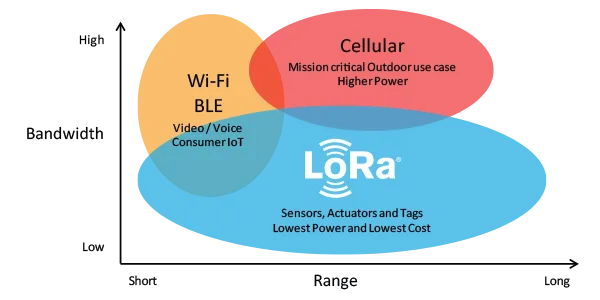
LoRa is a wireless modulation technique derived from the Chirp Spread Spectrum (CSS) technology. It encodes information on radio waves using chirp pulses – similar to the way dolphons an bats communicate! The advantages of LoRa is that its modulates transmission is robust against disturbances and can be recieved across great distances. LoRa is ideal for applications that transmit small chunks of data with low bit rates. Data can be transmitted at a longer range compared to technologies like WiFi, Bluethooth or ZigBee.
What are IoT Gateways?
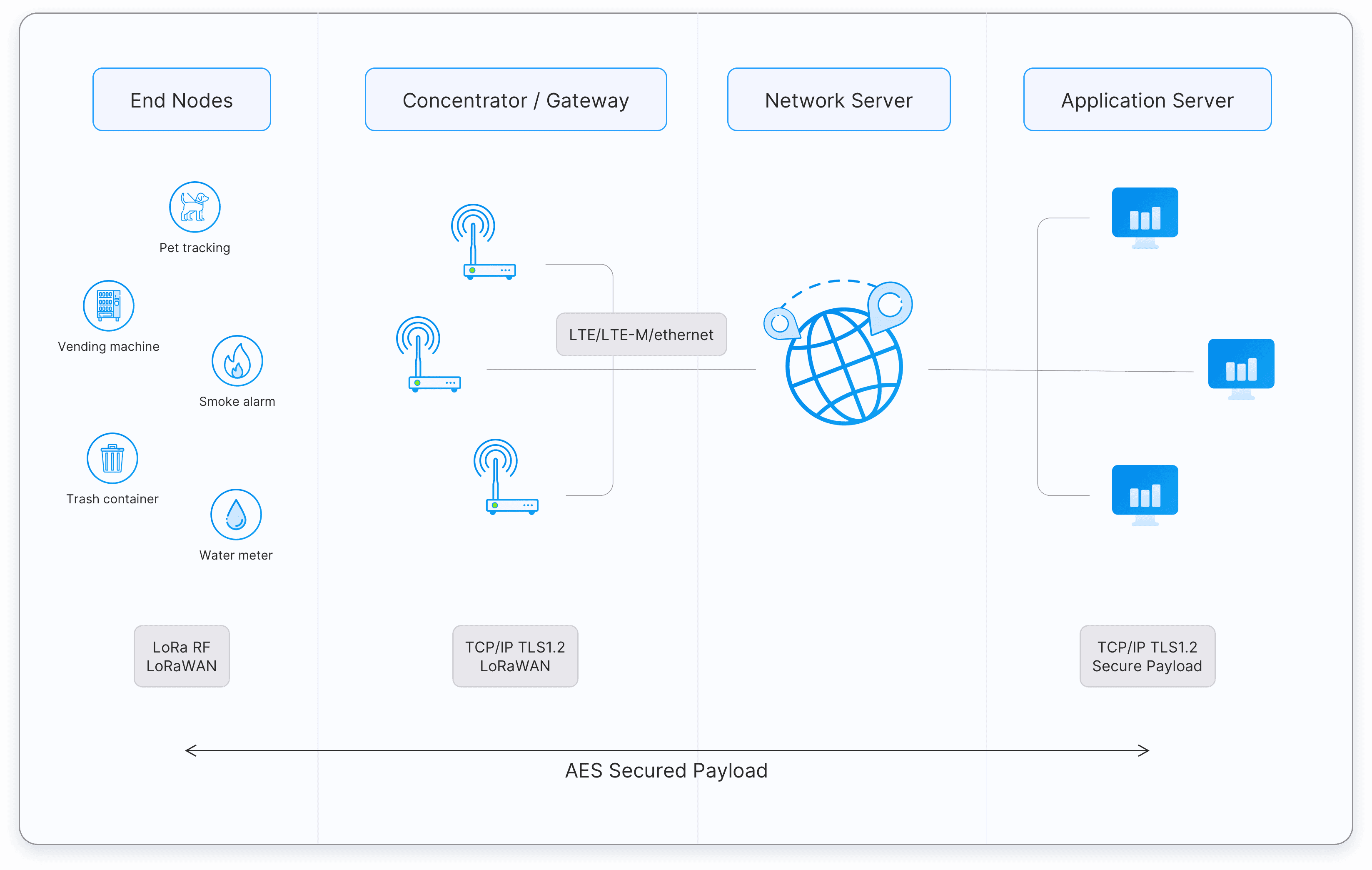
A IoT Gateway provides a bridge between different communication technologies e.g WiFi, BLE, Cellilar, LoRA. An IoT gatway acts as a medium to open up connections between the cloud and the sensor or device in the Internet of things. Thanks to IoT Gatways it is possivble to establich device to device ot device to cloud communication.
What are IoT platforms?
At a high level, IoT platforms provide a head start in building IoT systems by providing built-in tools and capabilities to make IoT easier and cheaper for buisinesess, developers and users. An IoT platform helps facilitate the communication, data flow, device management and the functionality of applications.
IoT platforms help
- Connect hardware, such as sensors or devices
- Handle different haedware and software communcation protocols
- Provide security and authentocation for devices and users
- Collect and visualize and analyse data the sensors and devices gather

Compring IoT Connectivity with LoRa, Cellular IoT, Ethernet, BLE and Wi-Fi
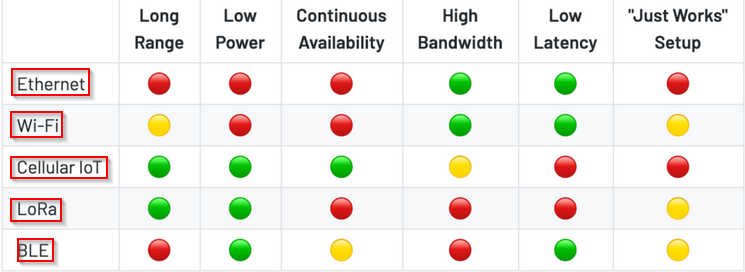
There are many things to consider when choosing an IoT connectivity method e.g:
- Communication Range
- Power Efficiency
- Continuous Availability
- Data Throughput and Latency
- End User Experience
Wired Ethernet
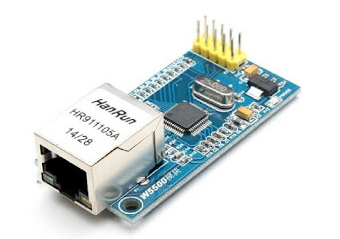
Advantages:
- Very Reliable
- Provides low latency and high bandwidth
Disadvantages:
- Makes the solution less mobile and flexible
- High Power consumption
- Adds complexity to deployment
Wi-Fi
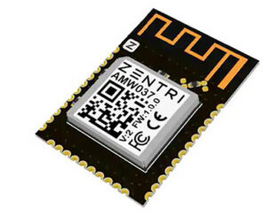
Advantages:
- Provides low latency and high bandwidth
Disadvantages:
- Very tedious to set up
- High power consumption
- Can be insecure
Cellular (LTE-M and NB-IoT)
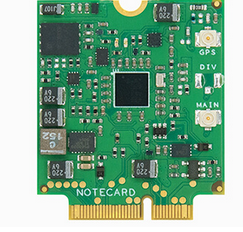
Advantages:
- Cellular is very ubiquitous and reliable
- Very secure
- Low power consumption
- Really flexible and mobile
Disadvantages:
- low bandwidth and high latency
LoRa and LoRaWAN
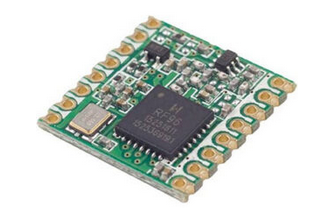
Advantages:
- Very good range
- Widely available
- Very secure
- Power consuption is very low
Disadvantages:
- low bandwidth
- Doesnt properly operate in regions outside of the EU
Bluetooth Low Energy (BLE)
Advantages:
- Very reliable
- low latency
Disadvantages:
- Hard to configure
- Has poor range
- Low bandwidth